









culture
The Nigerian culture is shaped by the country’s multiple ethnic groups. The country has over 50 languages and over 250 dialects and ethnic groups. The three largest ethnic groups are the Hausa-Fulanis who are predominant in the north, the Igbos who are predominant in the south-east, and the Yorubas who are predominant in the south-west. The Edo people are predominant in the region between Yorubaland and Igboland. Most of the Edo people are Christians while 25 percent worship the Deity called Ogun. This group is followed by the Ibibio/Annang/Efik people of the coastal south-eastern Nigeria and the Ijaw of the Niger Delta. The rest of the Nigerian ethnic groups (sometimes reffered to as ‘minorities’) are found all over the country but especially in the middle belt and in the north. The Hausas are mostly Muslims and the Igbo are predominantly Christian. The Efik, Ibibio, Annang people are also predominantly Christian. The Yoruba have a balance of people that are adherent to both Islam and Christianity. Indigenous religious practices remain important in every of the country’s ethnic groups and these beliefs are often blended with Christian beliefs.
Apart from English language being the country’s international language, pidgin is also a lingua franca that was common among non-literate persons and street vendors who could not speak the formal English. Nowadays however, the majority of the country’s population including the rich, poor, literates and non-literates all speak Pidgin English which is a mixture of English and other slang words. Nigeria is also famous for its English language literature.
The Nigerian music constitutes a diverse array of folk and popular music, some of which are known worldwide. Traditional musicians use a number of diverse instruments, such as the Gongon drums. Some other traditional cultural expressions are found in the various masquerades of Nigeria, such as the Eyo masquerades, the Ekpe and Ekpo masquerades of the Efik/Ibibio/Annang/Igbo people of coastal south-eastern Nigeria, as well as the Northern Edo masquerades. The most popular Yoruba wooden masks are the Gelede masquerades. A very important source of information on Modern Nigerian Art is the Virtual Museum of Modern Nigerian Art operated by the Pan-African University, Lagos.
From the 1990s the Nigerian movie industry ‘Nollywood’ emerged as a fast-growing cultural force all over the continent of west Africa. Nigerian movies are very popular all over the country and increasingly so even in the conservative north. A foreigner who might be interested in watching Nigerians films should look Tunde kelani films up, especially SAWOROIDE or Tade ogidan films. And for modern music with genres of pop, hip-hop or rap, D’banj, P-square, Terry G, Banky W, Tu face and Naettto C. Western music, clothes and movies are also popular.
In-Depth Analysis of Core Indicators
Explore vital data points that reveal critical insights into Nigeria’s regulatory business performance and growth.
145
Policy Impact
An in-depth look at how recent regulatory reforms have improved the business climate nationwide.
320
Economic Growth
A comprehensive measure of sustainable economic development driven by improved business policies.
280
Investment Rate
Highlighting increased foreign and domestic investment as a key success indicator.
Enhancing Nigeria’s Business Environment for Sustainable Growth
Discover initiatives that tackle regulatory challenges and promote business development across Nigeria.

Streamlined Regulatory Frameworks
Simplifying compliance processes to accelerate business operations and reduce bureaucratic delays.

Capacity Building Programs
Empowering entrepreneurs with skills and resources to navigate the evolving economic landscape effectively.

Investment Incentives
Introducing policies that attract investors and foster a competitive market environment.

Public-Private Partnerships
Facilitating collaboration between government and private sector to drive infrastructure and innovation projects.
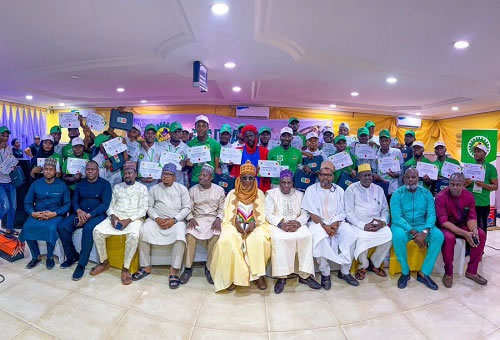
Inspiring Success Stories from Nigerian Enterprises
Discover our comprehensive approach to improving Nigeria’s regulatory business climate, empowering stakeholders with actionable insights and strategies.
How Nigerian Businesses Drive Sustainable Economic Growth
This case study details how strategic regulatory reforms enabled a Nigerian firm to enhance compliance, boost productivity, and foster long-term development.

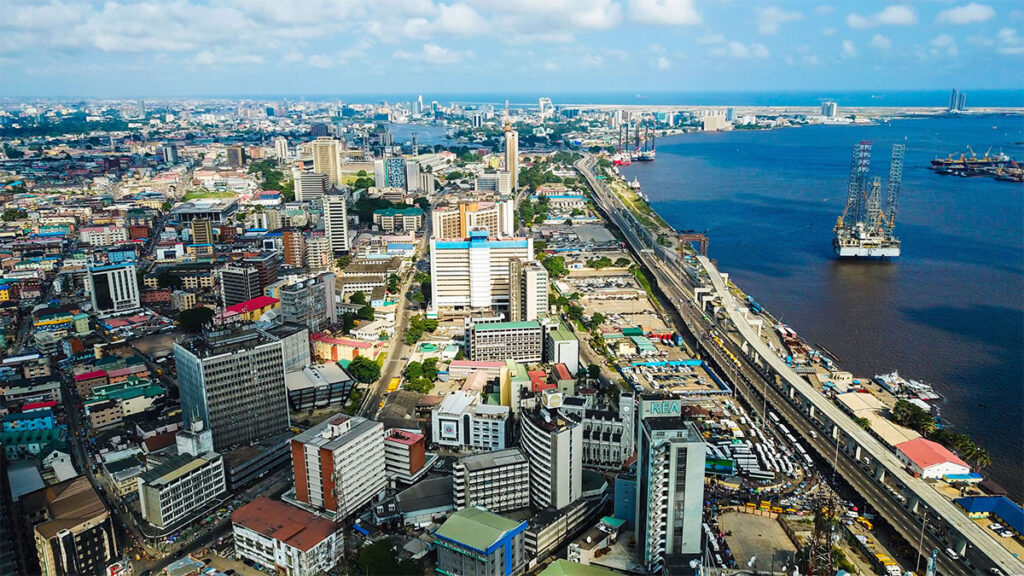
Building Resilient Economies Through Effective Policies
An in-depth look at how targeted initiatives helped a company navigate regulatory complexities and achieve measurable success in Nigeria.
Enhancing Business Environment for Competitive Advantage
This case study demonstrates how adopting improved regulatory frameworks empowered a business to optimize operations and expand market presence.

Enhance Nigeria’s Business Landscape Now
Discover how strategic reforms drive growth, create opportunities, and simplify compliance. Join our initiatives to transform Nigeria’s business environment for lasting success.